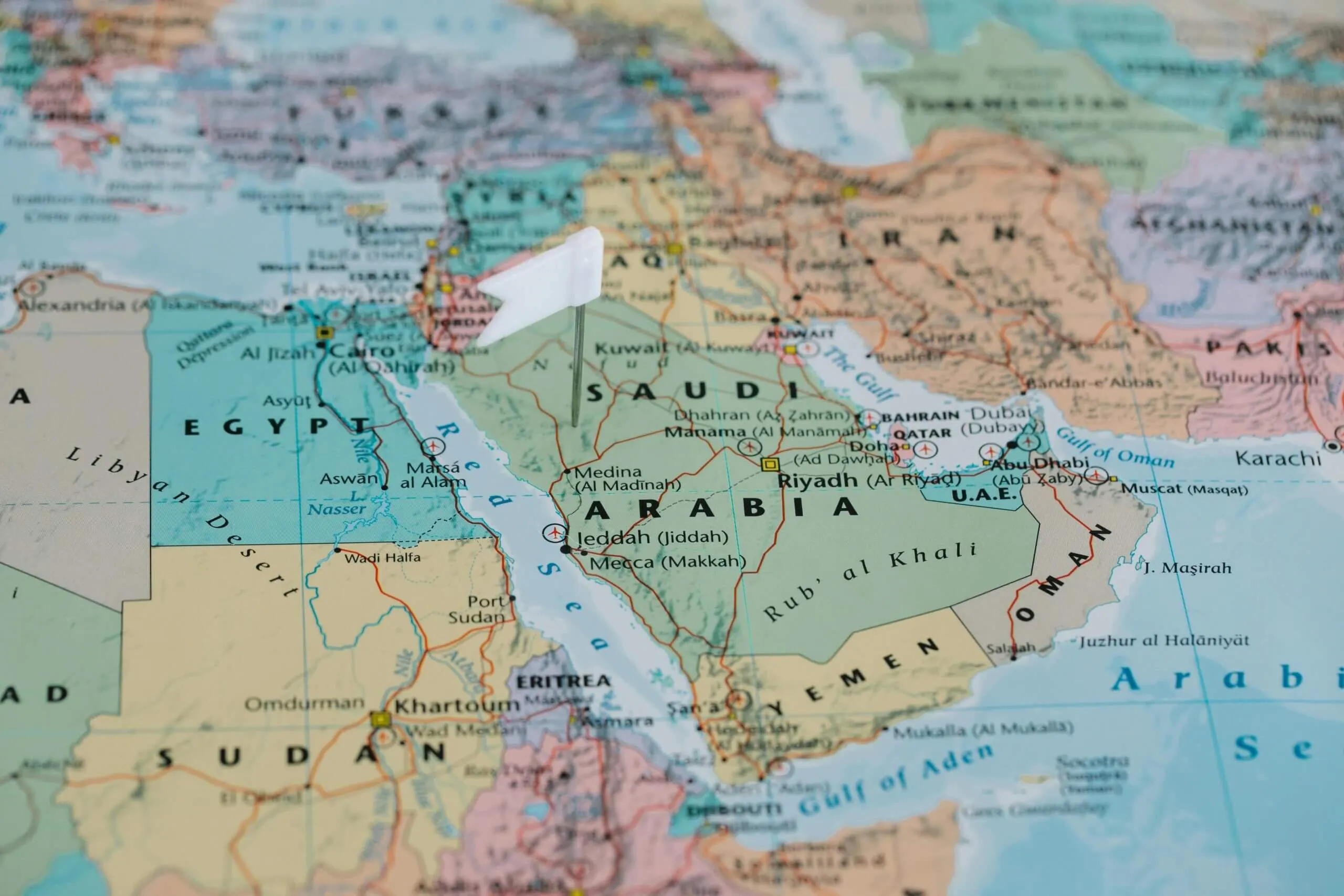
From "ceasefire collapse" to "fighting while talking": the late-July Hormuz picture, rates, and the exporter playbook
[August 28 update] The main storyline has shifted from a US-Iran negotiating stalemate to "an Iran-Oman bilateral framework + a US economic war". On August 25, after talks in Tehran, the Iranian and Omani foreign ministers unveiled a framework for managing the strait — a temporary joint navigation corridor, a joint mine-clearing project, and continued technical talks on the strait's future administration (echoing Article 5 of the June MoU). On August 26 the IRGC went further, claiming the two countries had agreed on a division of the strait's waters and revenue-sharing, while blaming "US obstruction" for delays. Iran itself stresses a deal with Oman does not mean immediate reopening. On the US side: Treasury Secretary Bessent announced "the toughest sanctions in history" (Aug 20); Trump declared the mines "all cleared" and the strait open (Aug 25) — denied by the IMO Secretary-General, with JMIC still holding its SEVERE rating and warning of drifting mines — and a tanker was still hit inside the strait on August 27. On costs: Iran blacklisted 46 "non-compliant" vessels (Aug 24); TotalEnergies' CEO puts VLCC transit costs at ~$20 million per ship; Brent has eased back above $88, down ~7% this week as the market prices the Iran-Oman talks.
The takeaway for exporters: the Iran-Oman framework is the most constructive structural signal in six months of war, but it remains on paper — no corridor coordinates, no mine-clearing details, and ships are still being hit. Keep pricing September-October sailings on "Cape of Good Hope diversion plus full war-risk cover", and treat the Iran-Oman track as the leading indicator for Scenario C (loosening): until corridor coordinates are published, transits recover for two consecutive weeks, and JMIC downgrades its rating — do not change the baseline. This article has been updated continuously since June 3; the full timeline, lane-by-lane rates, insurance, and rerouting options are in the sections below.
1. Latest situation timeline (ongoing updates)
【August 4 update】Early August: attacks continue, US and Iran contradict each other on talks, Saudi tankers reroute around the Cape
The first week of August extends the stalemate: attacks continue in both the strait and the Red Sea, the US and Iran publicly contradict each other on whether talks are happening, and Saudi Arabia has started rerouting tankers around the Cape of Good Hope. SCFI ended its three-week slide with a 4.67% weekly rebound.
- August 3 — Trump claims "complete control," Iran denies talks: Trump said the strait "is already completely controlled by the United States Navy" (a "Wall of Steel") and cited talks starting that afternoon as his reason for again calling off attacks; Iran's Foreign Ministry denied any talks or scheduled meetings with the US, saying its only discussions are with Oman over managing the strait (Reuters). Iran's strait authority stated on July 31 that commercial passage is "not feasible" while US "aggressive actions" continue, and transit permits will be reviewed only after "stability is restored."
- August 2–3 — Saudi rerouting and "dark" transits in parallel: Six empty Saudi VLCCs turned around in the Gulf of Aden to reroute around the Cape (at least 25 extra days back to Red Sea ports, Reuters); two tankers laden with Saudi crude (Lesvos, Desh Vaibhav) exited Bab el-Mandeb with AIS off; five VLCCs berthed at Yanbu on Saturday — possibly the port's busiest day since the blockade — and Saudi Arabia is diverting some Asia-bound flows via Egypt's Sidi Kerir (Bloomberg); commodity-vessel transits of Bab el-Mandeb fell to 18 on Sunday from 28 on Friday (Kpler).
- August 1 — Houthis deny Red Sea "transit fees": The Houthi-run HOCC said its transit service is "voluntary and cost-free" and warned shipping companies not to pay anyone demanding fees — pausing last week's fee reports, though the blockade on Saudi Arabia stands.
- July 31 — GasLog Shanghai damaged exiting the strait: The GasLog-operated 155,000 cbm LNG carrier GasLog Shanghai was damaged departing Hormuz (all crew safe); UKMTO reported two incidents the same day — a tanker struck by an unknown projectile about 11 nm northeast of Lima, Oman, left not under command with engine-room damage, and another reporting a close-proximity explosion 21 nm northeast of Khasab. Ships near the US-coordinated Omani route are still being hit.
- Rates and oil flows: SCFI printed 3,205.97 on July 31, up 4.67% — ending three weeks of declines; more than 8.4 million barrels of crude exited the Gulf on Friday July 31, one of the highest daily flows since the war began, but 57% of July's Gulf crude exports moved via ship-to-ship transfers (vs 12% a year earlier, Vortexa); Clarksons posted record first-half results (US Gulf–Far East VLCC earnings +166% y/y to ~$120,000/day; LNG spot rates tripled) — underscoring the crisis rate premium; Vortexa warns the global crude cushion could tighten significantly within 2–3 months absent geopolitical improvement.
【July 31 update】Late July: strikes paused, Oman mediates, fighting resumes
The through-line shifted from one-way escalation to "fighting while talking." The strait itself remains closed; transits are dominated by Iran-linked and "dark" AIS-off tonnage, and mainstream liners and owners are still staying away.
- July 30–31: The US resumed airstrikes (in response to Iranian missile attacks on a US base in Jordan); Qatar's Al Areesh became the first LNG carrier to transit openly in three weeks; Saudi Arabia announced a multinational Red Sea security coalition; a drone struck an FSRU at Egypt's port of Damietta — the war's first spillover toward the Suez Canal.
- July 29: Iran rejected Oman's "50-50 co-management" plan, counter-proposing routes under Iranian control; the US and Saudi Arabia jointly struck Iran-backed militias in Iraq for the first time; the IRGC claimed strikes on three "violating" tankers; Brent rose 4.6% to about $88.
- July 28: Oman tabled a Gulf-backed "co-management + voluntary transit fees" plan (modeled on the Strait of Malacca); the Houthis claimed a fourth attack on a Saudi tanker (NCC GHAZAL) and were reported to be weighing "transit fees" for Red Sea shipping.
- July 25–27: The US paused airstrikes and talks began via Oman; Brent tumbled about 8% in a single day on July 27, into the $85 range.
- July 24: Trump called off the campaign after 13 nights of strikes; the US and UK were reported to be planning an international conference on Hormuz; the US reinstated broad tariffs on 60 trading partners; Kpler: the strait is unlikely to reopen this year.
- July 22–23: Trump threatened to destroy "a bridge or power plant for every ship attacked"; Brent broke $100 intraday on July 23 (first time since May); the attacked tanker Kavomaleas was towed into Iranian waters.
【July 21 update】Early-to-mid July: ceasefire collapse, fourth closure, US blockade returns
The truce collapsed on July 8, Iran declared a fourth closure on July 12, and the US reinstated its naval blockade on July 14 — putting the situation back on a confrontation track, with attacks now extending to merchant ships inside the US-coordinated escort corridor.
- July 20–21: The tanker Kavomaleas was attacked and abandoned inside the US-coordinated southern corridor; the KOTC tanker Kaifan was hit the same day; the Houthis declared a naval blockade on Saudi Arabia; weekly strait transits collapsed 66% (157 → 53, Lloyd's List Intelligence).
- July 17–19: Only 40 transits in three days (about 13/day, S&P Global); only about a third of transiting ships assessed as compliant, with mainstream owners largely staying away; oil flows at roughly 15% of pre-war levels.
- July 14: Iranian missiles hit three tankers overnight (1 dead, 8 injured, 3 missing); the US reinstated its naval blockade the same day; Trump withdrew his proposed Hormuz transit fee.
- July 12: The IRGC declared the strait closed for a fourth time; the container ship GFS Galaxy was struck and abandoned — one Indian crew member died.
- July 8: The US-Iran interim truce collapsed; US strikes extended to Tehran the next day; Japan evacuated 22 Japan-linked ships from the Gulf.
- July 6–7: The LNG carrier Al Rekayyat and the tankers Wedyan and Cyprus Prosperity were attacked in succession; the US reimposed oil sanctions on Iran and resumed airstrikes.
For the earlier arc — Iran's June 1 blockade vow, the June 11 official closure, the June 17 "Islamabad Memorandum", the June 20 "signed-then-closed-again" reversal, the late-June ship attacks and JMIC escort corridor, and the July 1 US Navy helicopter emergency landing — see the day-by-day record in section 4, "Key events recap".
2. Why the two straits are a "compounding shock" for trade
Many clients ask: "The Red Sea has been on diversion for ages — if Bab el-Mandeb gets worse, how much more does it really affect my boxes?" The key is that stacking the two chokepoints further locks up already-tight diversion capacity:
- Hormuz (the Persian Gulf gateway): Mainly affects Gulf-country local import/export and energy/tankers, transmitting to global rates through bunker costs and war-risk premiums.
- Bab el-Mandeb (southern Red Sea): Directly bears on the Asia-Europe and Asia-Mediterranean container mainline (via the Suez Canal). Since the late-2023 Red Sea crisis, mainline carriers have largely diverted around the Cape of Good Hope; after the Houthis declared a naval blockade on Saudi Arabia on July 20, southern Red Sea risk moved from "potential" to "actual" — a full Bab el-Mandeb closure would halt Saudi exports via Yanbu and cut global oil supply by a further ~7%, while making transshipment of Red Sea / Jeddah / East Africa cargo more complex.
- Compounding effect: With both chokepoints under pressure, Cape of Good Hope effective capacity is further absorbed (+10–14 days per voyage), giving carriers more leverage on GRIs (General Rate Increases) and surcharges — and Asia-Europe, Mediterranean, and US lanes all feel it.
Bottom line: For containerized exporters, the core move in late July is not "betting on when the strait reopens," but pricing, scheduling, and insuring against "diversion + dual-chokepoint risk."
3. Latest rates and surcharges (July 31 update)
【July 31 update】Mainlines fall a third straight week; tariffs land and front-loading fades; EFS from August
Pricing into early August keeps the "soft mainlines, tight Middle East" divergence: Drewry's WCI logged a third consecutive weekly decline, while SCFI rebounded 4.67% on July 31, ending its three-week slide; the Transpacific entered its "post-front-loading" phase after the US reinstated broad tariffs on 60 trading partners on July 24. Carriers are pivoting to blank sailings plus Emergency Fuel Surcharges (EFS) from August to defend rates, while Middle East / Persian Gulf lanes stay elevated above their pandemic peak, with war-risk and surcharges the dominant cost items.
| Indicator / Lane | Latest move (late July) | Reference |
|---|---|---|
| SCFI (Shanghai Containerized Freight Index) | 3,205.97 on July 31, up 143.02 (+4.67%) — rebounding after three straight weekly falls (July 24: 3,062.95) | 3,205.97 |
| Drewry WCI composite | -3% in the week of July 30, a third straight weekly fall; easing demand after the front-loading surge is the main driver (Drewry) | USD 4,255/FEU |
| Shanghai–Los Angeles (USWC) | -2%; eight Transpacific blank sailings scheduled next week (up from seven), as carriers manage capacity instead of raising FAK | USD 5,739/FEU |
| Shanghai–New York (USEC) | Unchanged | USD 7,578/FEU |
| Shanghai–Rotterdam (North Europe) | -3%; three blank sailings planned next week; Drewry expects the lane to hold broadly stable near term | USD 4,677/FEU |
| Shanghai–Genoa (Mediterranean) | -6%, the steepest mainline decline | USD 5,630/FEU |
| Middle East / Persian Gulf | Still elevated above the pandemic peak; war-risk and WRS/ECS surcharges dominate all-in costs, with very short quote validity — confirm per booking | Confirm per booking |
| Surcharge watch | Middle East tensions are lifting bunker and operating costs — several carriers have announced EFS from August (Drewry); FAK hikes lack volume support after the tariffs landed | Per carrier notices |
| Oil | Brent broke $100 intraday July 23 (first since May), closed $96.78 July 24; slumped ~8% July 27 on the strike pause into the mid-$80s; jumped 4.6% to ~$88 July 29 as fighting resumed — volatility feeds straight into bunker and war-risk costs | — |
Operational takeaway: The mainline pullback window is proving "thicker" than mid-July suggested — tariffs have landed and no second front-loading rush has materialized, so August space and budgets can be locked without haste; but blank sailings will tighten selected weeks and EFS starts in August, so fix surcharge allocation and caps when you lock rates. For Middle East and Red Sea-related cargo, keep confirming booking by booking with insurance bound in the same motion.
【July 17 update】Mainlines fall for a second week — while Middle East rates pass their pandemic peak (historical reference)
July pricing shows a clear structural divergence: Transpacific and Asia-Europe mainline spot rates have fallen for two straight weeks as front-loading fades and capacity grows — while Middle East / Persian Gulf rates have surged the other way since the ceasefire collapsed. Per The Loadstar (July 13), Middle East container rates have sailed past their pandemic-era peak. The geopolitical premium is consolidating from "all lanes up" into "concentrated on Middle East and Red Sea-related trades."
| Indicator / Lane | Latest move (mid-July) | Reference |
|---|---|---|
| SCFI (Shanghai Containerized Freight Index) | 3,080.31 on July 17, down 104.52 (-3.3%) — second straight weekly fall (July 10: 3,184.83, -4.27%, ending a ten-week rally) | 3,080.31 |
| Drewry WCI composite | -2% in the week of July 16; peak-season upward momentum subsiding | USD 4,547/FEU |
| Shanghai–Los Angeles (USWC) | -3%; carriers' July 15 FAK hikes to USD 7,900–8,500 failed to hold; nine Transpacific blank sailings scheduled next week | USD 6,272/FEU |
| Shanghai–New York (USEC) | Stable at a relatively high level | USD 7,879/FEU |
| Shanghai–Rotterdam (North Europe) | -1%; European port congestion easing (Genoa average waiting time down 33 hours week-on-week) | USD 4,873/FEU |
| Shanghai–Genoa (Mediterranean) | -3% | USD 6,300/FEU |
| Middle East / Persian Gulf | Rising against the trend since the ceasefire collapse — rates past their pandemic peak (The Loadstar, July 13); war-risk and surcharges climbing in tandem, sharply lifting all-in door costs | Confirm per booking |
| Oil & tankers | After Iran's July 14 attacks on shuttle VLCCs, Lloyd's List called crude markets "back to square one"; Goldman revived its $100 oil forecast; MST Marquee: oil could retest $100 if fighting persists for weeks | — |
Operational takeaway: US and Europe lanes now offer spot negotiating room — work the lane-by-lane playbook in our July 10 SCFI analysis. Middle East and Red Sea-related cargo is the opposite: rates, war-risk, and surcharges are all rising with unstable space and very short quote validity — confirm booking by booking and lock underwriting windows.
Early-June rates and surcharges (historical reference)
Heading into June, east-west rates are climbing on a triple driver: "early peak season + expected July 1 bunker adjustment + Middle East tensions." Carriers landed a fresh round of FAK and surcharges on June 1 — re-price accordingly:
| Indicator / Surcharge | Latest move (late May – early June) | Reference amount |
|---|---|---|
| Drewry WCI composite index | +3% in the week of May 28, a 4th straight weekly gain, led by Asia-Europe and Transpacific | USD 2,800/FEU (40') |
| Asia-Europe FAK (CMA CGM) | New FAK effective June 1 | ~ USD 4,700/40' |
| Asia-Mediterranean FAK (CMA CGM) | Effective June 1 | USD 5,500–5,700/40' |
| PSS – Peak Season Surcharge (ONE) | Transpacific Eastbound, effective June 1 | USD 2,000/FEU |
| EFS – Emergency Fuel Surcharge (MSC) | Asia–US East Coast USD 430→644/FEU; Asia–US West Coast USD 272→467/FEU | As shown (adjusted by lane) |
| WRS – War Risk Surcharge | Maintained for Middle East and Persian Gulf; some Gulf cargo +~USD 3,000 per 40' | USD 1,500–4,000/box |
| ECS – Emergency Conflict Surcharge | CMA CGM, MSC and others keep charging on Middle East exports (Iraq, Bahrain, Kuwait, Yemen, Qatar, Oman, UAE, Saudi Arabia, Jordan, Egypt Sokhna, Djibouti, etc.) | 20': USD 2,000 / 40': USD 3,000 / Reefer & special: USD 4,000 |
| Bunker VLSFO (avg, top 20 hubs) | Up ~68% from mid-February (HSFO ~ USD 736.5/t, +66%) | USD 856/tonne |
| Intra-Asia index (IACI) | +2%, ~75% above pre-Iran-conflict levels | USD 959/40' |
Operational takeaway: Because the market broadly expects a July 1 bunker adjustment, demand is being pulled forward into June and space is tightening early. For US and Asia-Europe lanes, lock rates and space early, and plan ahead around the cut-off and blank-sailing windows in the second half of June (around the Dragon Boat holiday).
4. Transit reality and recent incidents
The crisis has persisted for nearly five months since late February. After the June 17 MoU, the strait entered a "bumpy reopening" — per PortWatch data (via Al Jazeera), 513 ships transited in the 18 days from June 18 to July 5, averaging 28 a day, and daily traffic briefly climbed to a post-war high of ~40 in the two weeks before the truce collapsed. But after the July 8 collapse and the July 14 return of the US blockade, transits fell off a cliff. When weighing whether a voyage is feasible, anchor on these hard indicators:
| Indicator | Pre-crisis level | Current level (August 4, 2026) |
|---|---|---|
| Daily Hormuz transits | ~ 95–140 vessels/day | Low and pulsing after the cliff-edge drop: Lloyd's List Intelligence counted just 53 transits in the week through July 20 (vs 157 the prior week, -66%); S&P Global ~13/day over July 17–19; traffic briefly recovered during the July 24–28 strike pause — supply-chain firm Zero100 estimated roughly half of normal flow — then came under renewed pressure as fighting resumed July 29 (CNBC, July 30); flows pulsing between ~15% and ~50% of pre-war levels |
| Stranded mariners | — | ~6,000 seafarers still stranded in the Gulf (IMO, July 9); Japan pulled out 22 Japan-linked vessels July 7–9, leaving four; Sinokor is offering six months' extra pay to crews willing to sail the strait |
| War-risk insurance (% of hull) | 0.02%–0.05% | Raised again after the July 6–7 attacks; some war underwriters advising owners to pause voyages; Marsh: rates "unlikely to come back down" until the market believes the risk environment has genuinely changed; Gallagher (July 30): cover is still available but rates far exceed what owners are used to, and only "a handful" of owners are choosing to transit |
| VLCC (Very Large Crude Carrier) day rate | Normal range ~ USD 40k–60k | Peak USD 423,736/day in early March; eased after the MoU, then jumped again after the July 14 attacks on shuttle VLCCs — Lloyd's List: crude markets "back to square one" |
| UKMTO / JMIC cumulative incidents | — | 59 merchant ships attacked and 17 seafarers killed since the war began (IMO, through July 20); at least 10 more ships hit July 6–21: Al Rekayyat, Wedyan, Cyprus Prosperity, GFS Galaxy, Stolt Magnesium, Mombasa B, Al Bahyah, Kavomaleas (later towed into Iranian waters, FT), Acheloos, Kaifan; on July 29 the IRGC claimed strikes on three more "violating" tankers; plus four Saudi-linked vessels hit in the Red Sea under the Houthi blockade (incl. NCC GHAZAL, July 28) |
| JMIC risk rating & corridors | — | Persian Gulf, Hormuz, Gulf of Oman, Arabian Sea remain CRITICAL; on July 20 the Kavomaleas was attacked and abandoned inside the US-coordinated southern corridor itself — the escort corridor is now a target, and some owners refuse US-guided transits (Reuters) |
| IMO coordinated evacuation & corridors | — | On July 12 the IRGC declared the strait closed a fourth time over "unauthorized routes"; S&P: only ~1/3 of transiting vessels assessed compliant, with Iran-linked and sanctioned ships dominating as mainstream owners stay away |
Key events recap (late May – August 3)
- May 20: Iran coordinated the passage of 26 commercial vessels in a single day — a phase-high since the crisis began, yet still far below the historical 60–140 vessels/day.
- Late May: The IRGC Navy announced 33 commercial vessels allowed through in a 24-hour window, but actual sailings remained constrained by operators' dual uncertainty over vessels and insurance.
- June 1: Iran announced the suspension of indirect US talks; the "Resistance Front" vowed to completely block Hormuz and target Bab el-Mandeb.
- June 10: Trump claimed the US military had "secretly" escorted 200+ merchant ships through Hormuz; convened a White House Situation Room meeting to discuss fresh strikes against Iran. Israeli Defense Minister Katz said operations are "far from over."
- June 11: Iran's Armed Forces officially announced the Strait of Hormuz closed to all vessels and struck US ships in the strait. Multiple explosions reported in southern Iran. WTI crude rose 3.79% to $93.44/barrel.
- June 15: Iranian Deputy Foreign Minister confirmed the Iran-US MoU text finalized; signing ceremony on June 19 in Switzerland. US maritime blockade of Iran ends; military operations on all fronts to "cease immediately and permanently." Trump said Hormuz will reopen for mine-clearing.
- June 17: Trump and President Pezeshkian formally signed the "Islamabad Memorandum," ending the war and lifting blockades on the strait; Iran committed to "instantly" reopen Hormuz, the US to "immediately" lift its naval blockade. Oil prices fell about 11% on the day of the announcement.
- June 19: Trump announced an Israel-Hezbollah ceasefire starting Friday (brokered by the US, Qatar, and Iran); the same day, Trump's envoy headed to Switzerland for US-Iran follow-up talks. Al Jazeera reported at least 12 Israeli strikes on southern Lebanon on June 19.
- June 20: Iran announced it was closing the strait again, citing Israeli actions as a violation of the agreement (NDTV via Reuters); the US military denied Iran's claim (Reuters, June 20). The "signed-then-closed-again" whipsaw begins.
- June 25: The Singaporean-flagged container ship Ever Lovely was attacked southeast of Dahit, Oman, forcing the IMO to pause its plan to evacuate 11,000 stranded seafarers (Axios, Tradewinds). The same day, per Windward data via Splash247, 31 confirmed transits (+48% day-on-day) marked the first "functional commercial normalcy" signal; however, the IRGC Navy same-day rejected the Oman/IMO routing, warning transit without Iran-designated corridors was "unacceptable and extremely dangerous."
- June 27: The oil tanker Kiku was struck in the strait by an Iranian attack drone, damaging its bridge (confirmed by CENTCOM); US forces then conducted airstrikes against Iranian military and communications sites near the strait (AP, The Guardian). The same day, the US Navy-led JMIC announced a widened transit corridor off Oman, allowing increased naval escort transits.
- July 1: A US Navy SH-60 Seahawk helicopter assigned to the USS George H. W. Bush made an emergency landing in the Arabian Sea; one aviator was reported missing, with the US military saying there was no indication of hostile activity.
- July 6–7: The Qatari LNG tanker Al Rekayyat (engine-room fire, crew evacuated), the Saudi supertanker Wedyan, and the Liberian-flagged Cyprus Prosperity were attacked in succession; the US Treasury reimposed oil sanctions on Iran and CENTCOM resumed airstrikes; four oil and gas tankers turned back (Reuters).
- July 8: The US-Iran interim truce collapsed; Trump said the ceasefire was "over." On July 9, US strikes extended to Tehran for the first time, and Iran fired missiles and drones at multiple Gulf states; Japan evacuated 22 Japan-linked vessels over July 7–9.
- July 12: The IRGC Navy declared the strait closed a fourth time; the Cyprus-flagged container ship GFS Galaxy was struck and abandoned, with one Indian crew member killed (confirmed July 14); US forces struck Iranian missile batteries, air-defense systems, and IRGC fast-attack boats.
- July 14: Iran attacked three tankers pre-dawn (Stolt Magnesium, Mombasa B, Al Bahyah) — 1 dead, 8 injured, 3 missing; the US reinstated its naval blockade the same day; Trump scrapped his proposed Hormuz transit fee; the UN condemned the attacks.
- July 17–19: Transits hit rock bottom: S&P recorded just 40 crossings in 3 days (~13/day); the US Navy disabled a violating vessel a day into the blockade (USNI); on July 17, Iraq and Syria signed an agreement to restore the Kirkuk–Mediterranean oil pipeline.
- July 20–21: The Dynacom tanker Kavomaleas was attacked and abandoned inside the US-coordinated southern corridor; the Greek-owned Acheloos was hit the same day, as was the KOTC tanker Kaifan; CENTCOM completed a tenth consecutive night of strikes; the Houthis declared a naval blockade on Saudi Arabia, escalating Bab el-Mandeb risk; Lloyd's List Intelligence: weekly transits through July 20 down 66%.
- July 22–23: Trump vowed "one bridge or power plant" (including in Tehran) for every ship attacked; CENTCOM completed an 11th straight night of strikes; the Kavomaleas was towed into Iranian waters (FT); Brent touched $100.69 on July 23 — its first move above $100 since May.
- July 24: Trump abruptly called off the campaign after 13 nights; Axios revealed US-UK plans for an international Hormuz conference; the US reinstated broad tariffs on 60 trading partners; Kpler: no reopening expected until next year.
- July 25–27: The US paused strikes for consecutive nights as talks "moved in a positive direction" (CBS); Brent slumped ~8% on July 27 into the mid-$80s; Omani officials mediated in Tehran; Iran declared the strait "under our control."
- July 28: Oman tabled the Gulf-backed "50-50 co-management + voluntary transit fees" plan (Malacca model); GCC foreign ministers met; the Houthis claimed a fourth attack on a Saudi tanker, the NCC GHAZAL; the Houthis were reported to be considering Red Sea transit fees; CMA CGM posted sharply higher Q2 earnings.
- July 29: Iran rejected Oman's plan and counter-proposed Iranian-controlled routes; the US and Saudi Arabia jointly struck Iran-backed militias in Iraq (PMF: 20 killed, 32 wounded); the IRGC claimed strikes on three tankers and fired missiles at US bases in Jordan; the US Treasury sanctioned Iran's "Hormuz maritime services network"; the JWC widened the Red Sea high-risk zone north toward Jizan; a drone struck a US-owned FSRU at Damietta, Egypt.
- July 30–31: The US resumed airstrikes; Qatar's Al Areesh made the first open LNG transit in three weeks; Saudi Arabia unveiled a multinational Red Sea security coalition; the IRGC said the strait cannot reopen while US "threats" continue; SCFI fell a third straight week to 3,062.95 (July 24) and Drewry's WCI a third straight week to $4,255/FEU (July 30).
- July 31 – August 3: The LNG carrier GasLog Shanghai was damaged exiting the strait, with UKMTO reporting two more attacks the same day; Iran's strait authority said transit permits await "restored stability"; the Houthis denied Red Sea fee plans; six Saudi VLCCs rerouted around the Cape while Yanbu had its busiest day since the blockade; Trump claimed "complete control" of the strait and said talks had begun — Iran denied any; SCFI rebounded 4.67% to 3,205.97 on July 31.
5. The insurance market: war-risk is still the "shadow freight rate" — add Red Sea / Bab el-Mandeb cover too
【July update】After July's wave of attacks, some war-risk underwriters directly advised shipowners to pause Hormuz voyages, and rates have ratcheted up week by week; broker Marsh says plainly that rates will not come back down until the market genuinely believes the risk environment has changed. With the Houthi blockade on Saudi Arabia, war-risk rates and deductibles for the Red Sea and Bab el-Mandeb legs also need re-quoting. For cargo owners the core question is not "what's the rate" but whether an underwriting window exists at all, how short the quote validity is, and how to lock pre-sailing rate-increase clauses.
【July 31 addition】Red Sea high-risk zone widened; cover "available but expensive": On July 29, London's marine insurance market — via the Joint War Committee (JWC) — widened the Red Sea listed high-risk area northwards, taking in more coastline adjacent to Saudi ports and reaching close to Jizan (two Saudi-linked vessels were attacked in the first days after the Houthi blockade announcement, per Reuters/gCaptain). Any voyage calling Saudi Red Sea ports (Jeddah, Yanbu, Jizan) needs war-risk rates and deductibles re-quoted against the new zone. On the Hormuz side, broker Gallagher says war-risk cover remains available and insurers keep providing it — but rates are far above what owners are used to, and only "a handful" of owners and charterers are opting to transit (CNBC, July 30). Availability is not yet the crisis; affordability, and whether the voyage is worth it, is the real decision point.
Whether a ship can sail no longer depends only on physical access — it depends on whether the owner can find affordable war-risk cover. The market shows three defining features:
- Six P&I clubs have withdrawn Persian Gulf-related protection and indemnity cover. New underwriting appetite is concentrated among large European, US, and Asian reinsurers.
- The US government has rolled out a USD 20 billion reinsurance program, fronted by the US International Development Finance Corporation (DFC), aiming to use government backstops to rebuild private-insurer confidence so some carriers resume limited transits.
- Market quotes show rates for owners tied to China, India, or Pakistan typically sit at the upper end. Some stranded Long Range (LR) tankers have been quoted at up to 10% of hull value.
For cargo owners and forwarders: As Bab el-Mandeb risk rises, war-risk premiums and deductibles for the Red Sea and Gulf of Aden legs will move up in tandem. For June bookings and policies, spell out the allocation, cap, and trigger conditions of War Risk Insurance / WRS, and confirm deductibles and "pre-sailing rate increase" clauses in advance, so charges can't be added unilaterally after departure. See the scope of cover on our Marine Insurance service page.
6. Carrier round-up (June–July)
- 【July 31 update】CMA CGM posts sharply higher Q2 earnings: Driven by resilient volumes and higher freight rates (Reuters, July 28) — indirect confirmation that Middle East disruption keeps surcharges and elevated rates sticky; with Hapag-Lloyd earlier calling Q1 "unsatisfactory," earnings divergence across carriers is widening.
- 【July 31 update】EFS plus blank sailings from August: Several carriers have announced Emergency Fuel Surcharges (EFS) starting in August (Drewry, tied to Middle East-driven bunker costs); eight Transpacific and three Asia-Europe blank sailings are scheduled for next week — with demand easing after the tariffs landed, carriers are managing capacity instead of raising FAK.
- 【July 31 update】Energy-lane signal: Qatar's Al Areesh became the first LNG carrier to transit openly in three weeks on July 30 (AIS on, bound for Pakistan); ADNOC has kept exporting Gulf LNG in parallel (via "dark" AIS-off transits) — energy owners are toggling quickly between pause and resume, while container liners show no sign of restoring Gulf calls.
- 【July update】Maersk: Continues to keep Hormuz bookings suspended (Shipping Telegraph, July 14); Hapag-Lloyd called its Q1 result "unsatisfactory" — the war's drag on liner earnings is now showing up in financial reports.
- 【July update】FAK and capacity control: Carriers' July 15 Transpacific FAK hikes to USD 7,900–8,500/40' failed to hold on softening demand (Drewry); they are pivoting to blank sailings instead — nine scheduled on the Transpacific next week. With US reciprocal tariffs expiring July 24 and possible new tariffs in early August, carriers are waiting on August volume signals.
- 【July update】Gulf operations: After the ceasefire collapse, mainline carriers re-tightened Persian Gulf calls; S&P data show mainstream international owners barely present among vessels still transiting the strait. Sinokor — the world's largest supertanker owner — is offering six months' extra pay to crews willing to make Hormuz round trips, underlining how hard capacity recovery will be.
- Maersk, MSC, CMA CGM, Hapag-Lloyd: All major liners continue to suspend or strictly limit new Hormuz bookings; Asia-Europe Cape diversions are the norm, with FAK/PSS/GRI stacked in June.
- CMA CGM: New FAK from June 1 — Asia-Europe ~ USD 4,700/40', Asia-Mediterranean USD 5,500–5,700/40'.
- ONE (Ocean Network Express): PSS of USD 2,000/FEU on Transpacific Eastbound from June 1.
- MSC: Raised Asia–US East/West Coast EFS (East Coast 430→644, West Coast 272→467 USD/FEU).
- COSCO Shipping Lines: Maintains port-by-port phased acceptance; Jebel Ali and Abu Dhabi local cargo stays stable, while Iran and high-risk anchorages are still avoided.
- Escort missions: US Navy escorts remain "symbolic flows," far short of restoring commercial volumes; Europe's Operation Aspides continues to cover certain EU-flagged vessels.
7. Alternative routes and workarounds
7.1 Pipeline and alternate port diversion (for oil and energy cargo — major July developments)
- 【Signed July 17】Iraq–Syria pipeline restoration deal: The two countries signed an agreement in Washington to rebuild the Kirkuk–Syrian Mediterranean coast pipeline (nameplate 700,000 bpd, closed since 2003). Iraq is among the hardest-hit producers — June output of ~1.9 million bpd is less than half the ~4.2 million bpd of February, before the war (OPEC data via CNBC).
- UAE: The Abu Dhabi Crude Oil Pipeline moves crude to Fujairah on the Gulf of Oman for loading; a second Fujairah pipeline is under construction that would double export capacity outside the strait (CNBC, July 16).
- Saudi Arabia: Crude is routed via the East-West Crude Oil Pipeline to Yanbu on the Red Sea, with a further 2 million bpd expansion under consideration (Reuters, July 7).
- 【New risk, July 20】Houthi naval blockade on Saudi Arabia: If Bab el-Mandeb fully closes, Yanbu's Red Sea export outlet shuts down with it — halting Saudi crude exports to Asia and cutting global supply by a further ~7%. The value of the "pipeline + Red Sea" workaround is under direct threat. Rapidan Energy adds a caveat: "the problem isn't the waterway" — Iran can strike the pipelines' loading facilities, pumping stations, terminals, and storage; pipelines are a hedge, not an exemption.
- 【Late July】Bypass infrastructure accelerates: NYT (July 22): a Dubai firm signed a deal for a new port outside the strait; AP (July 23): Gulf producers are collectively speeding up bypass pipelines and ports. Zero100 describes what shippers are actually doing: rerouting crude by pipeline across the Arabian Peninsula, moving some commodities overland via Turkey, and avoiding the area wherever possible (CNBC, July 30).
7.2 Transshipment and port changes for containerized cargo
- Intra-Gulf destinations: Prioritize routings via major Indian west-coast hubs (Mundra / Nhava Sheva) with onward truck or feeder to Jebel Ali, Dammam, Bahrain, Doha, and confirm the land-leg pickup agent in advance.
- Red Sea / Jeddah cargo: Assess feasibility via western Mediterranean hubs (Casablanca, Algeciras) or Port Said in Egypt, watching transshipment-hub congestion and transit times; with the JWC's July 29 widening of the Red Sea high-risk zone, premiums on voyages calling Saudi Red Sea ports are rising and transshipment options gain further weight — and monitor Egypt's Mediterranean coast following the Damietta attack.
- Asia-Europe and Mediterranean lanes: Mainline carriers continue Cape diversions, adding +10–14 days per voyage, with GRIs and PSS repeatedly applied.
7.3 Multimodal options (China-Europe rail and sea-land) — worth a harder look under dual-chokepoint risk
- With both chokepoints under pressure and Cape diversion more congested, the "risk-avoidance premium" of China-Europe rail and rail-sea combinations is rising. For Europe-bound time-sensitive cargo, evaluate China-Europe Railway Express (from Qingdao, Lianyungang, Xi'an, etc.) — a transit-time advantage of roughly 15–20 days versus ocean.
- For Central Asia and Iran land-bound cargo, explore TIR road transport or rail-sea combinations to bypass the Strait risk entirely.
- Combine with the latest rail and port capacity data in our 2026 multimodal transport corridors article when choosing.
8. The exporter playbook after the ceasefire collapse (July 21 update)
The watch window is closed: all three hard indicators have turned negative
Our July 1 decision framework said: "If transit volume recovers steadily through the first half of July (60+ vessels/day for 2 consecutive weeks) with no new vessel-attack incidents, August–September cargo can re-evaluate diversion necessity on July 15–20." Reviewing that now, all three hard indicators have moved the wrong way:
- ① Transit volume — collapsed instead of recovering: Just 53 transits in the week through July 20 (-66% week-on-week), ~13/day over July 17–19 (S&P) — far below the 60/day unlock threshold; at least 9 more merchant ships attacked since July 6.
- ② War-risk — up instead of down: Rates raised again after the July 6–7 attacks, with some underwriters advising owners to pause voyages; Marsh says rates won't fall until the risk environment genuinely changes.
- ③ Carrier bookings — still avoiding the Gulf: Maersk keeps Hormuz bookings suspended; mainstream international owners are barely present among transiting vessels, which are dominated by Iran-linked and sanctioned ships.
Conclusion: the watch is over. Price and schedule all August–September sailings on "Cape diversion +14 days, full war-risk cover, surcharge caps written into the contract" — and stop treating a strait recovery as the base case.
Six action items (July 21 updated version)
- Price everything on diversion: Plan all August–September sailings on diversion +14 days; evaluate direct Persian Gulf calls booking by booking, and only where the carrier confirms acceptance and war-risk cover is actually obtainable — no bulk commitments.
- Middle East / Red Sea cargo — lock underwriting windows per booking: Middle East rates have passed their pandemic peak and quote validity is extremely short, so book and insure in the same motion; nail down war-risk allocation, rate caps, and pre-sailing-increase clauses. After the July 20 Houthi blockade declaration against Saudi Arabia, re-quote war-risk and deductibles for Red Sea, Jeddah, and Gulf of Aden legs — see our Marine Insurance service.
- Use the mainline pullback: US and Europe spot rates have now fallen three straight weeks (SCFI 3,062.95; WCI USD 4,255); the US reinstated broad tariffs on 60 trading partners on July 24 and no second front-loading rush has materialized — the August lock-in window is longer than expected, so secure space and budgets without haste, while watching the August EFS roll-out and eight Transpacific blank sailings that may re-tighten selected weeks.
- Upgrade contract clauses: For WRS, PSS, GRI, ECS, and EFS, specify who pays, the cap, and the notice window; add "geopolitical force majeure" and "rate-adjustment-on-closure/blockade" clauses to new and renewed contracts; document the July 8 truce collapse, July 12 fourth closure, July 14 US blockade reinstatement, and July 20 Houthi blockade declaration in writing as evidence for price adjustments and delay claims.
- Promote backups to primary routings: For intra-Gulf destinations, make Indian west-coast transshipment (Mundra / Nhava Sheva) the primary plan rather than the backup; lift China-Europe rail share to 15%–20% for Europe-bound cargo; energy and bulk clients should track the Iraq–Syria pipeline and the UAE's second Fujairah pipeline for medium-term logistics planning.
- Buyer notification and evidence documentation: Notify buyers in writing of every delay, port change, contract amendment, or surcharge adjustment, and archive everything; citing authoritative statistics such as the IMO's "59 ships attacked, 17 seafarers killed" helps buyers accept the objectivity of force majeure and cost pass-through.
【July 31 addition】Three new variables — the baseline stands
- ① A negotiating window is not a loosening signal: Oman's mediation and the US strike pause knocked oil down 8% in a day — and fighting resumed five days later. Under "fighting while talking," keep the August–September pricing baseline at "diversion +14 days + full war-risk cover"; only a combination of "written agreement + two consecutive weeks of transit recovery" justifies phased adjustment along Scenario C in section 9.
- ② Tariffs have landed; the pullback window is longer: After the July 24 reinstatement of tariffs on 60 partners, no second rush has appeared and SCFI/WCI have fallen three straight weeks — August space and budgets can be locked calmly; but with EFS from August plus eight Transpacific blank sailings, write surcharge allocation and caps into the contract when locking.
- ③ Manage Saudi Red Sea legs separately: With the JWC zone widened, price war-risk, re-routing, and transshipment costs separately for Jeddah, Yanbu, and Jizan voyages; re-base premium assumptions in CIF/CIP quotes to Saudi buyers and reserve port-change clauses in contracts; after the Damietta attack, Port Said / Suez transshipment plans need no change yet — but put them on daily watch.
9. August scenarios (July 21 update): three paths after the ceasefire collapse
Of our July 1 scenarios, "Scenario B · implementation collapses, strait closes again" became reality over July 8–14: truce collapse, a fourth closure, the return of the US blockade, and ten consecutive nights of strikes. AP wrote on July 18 that the US and Iran have "blown past red lines" and are lurching back toward all-out war. From the July 21 position, we re-project three scenarios for August:
- Scenario A · High-intensity stalemate (baseline, most likely): Vessel attacks and airstrikes become routine without tipping into full-scale war; strait transits oscillate at 15%–25% of pre-war levels in "ebbs and flows" (Lloyd's List Intelligence: owners seize brief windows of perceived safety, then pull back); Middle East rates and war-risk stay elevated while mainline rates trade on peak-season volumes and capacity management. Response: keep the "diversion + full war-risk" baseline; lock August mainline space into the pullback; run Middle East cargo booking by booking.
- Scenario B · Further escalation, both chokepoints obstructed (medium-high risk): US-Iran strikes expand systematically to infrastructure and ports; the Houthis enforce their declared blockade on Saudi Arabia and Bab el-Mandeb effectively closes — Saudi Red Sea exports halt, global oil supply drops a further ~7%, oil retests $100 (Goldman, MST Marquee), Cape capacity tightens further and rates plus bunker surcharges rise across the board. Response: reroute or pause Red Sea/Jeddah cargo early; lift China-Europe rail share to 20%–30%; energy-linked clients lock term contracts and hedges; re-examine force-majeure clauses on all Middle East exposure.
- Scenario C · Renewed mediation and ceasefire (low-to-medium probability): Trump said on July 15 that Iran "wants to meet." If a new truce lands in August, June's experience suggests recovery only returns transits to the ~30–40/day "bumpy reopening" level at best, with war-risk and carrier-policy repair still needing a 2–3 month observation period — and after two rounds of "signed-then-broken," market trust rebuilds even slower. Response: even if a ceasefire is announced, keep August pricing on diversion; treat it only as a leading signal for gradual September–October loosening.
【July 31 review】Over the past ten days the situation has tracked Scenario A (high-intensity stalemate) — with one element we had not listed: "fighting while talking." Scenario C's trigger (renewed mediation) has partially materialized (Oman's co-management plan, US-UK plans for an international conference, and the MoU's end-of-August negotiating window), but Iran's July 29 rejection — with ship attacks and airstrikes restarting the same day — shows how fragile it is. August re-projection: Scenario A remains the baseline; Scenario C's probability is slightly higher than on July 21 (the Omani channel survives, and both sides have motives to stop — Iran bears the biggest economic cost, and the US itself judged the bombing campaign had "run its course"); Scenario B stays the tail risk — the Houthi blockade of Saudi Arabia is now being enforced (four Saudi tankers hit, JWC zone widened), and the war has already spilled over to Egypt's Mediterranean coast (Damietta) and Jordan.
Key windows to watch around August
- August volumes after the tariffs (landed July 24): The US reinstated broad tariffs on 60 trading partners on July 24; front-loading has faded and SCFI/WCI have fallen three straight weeks. Watch early-August volumes for a second leg down — this determines how hard carriers push blank sailings/EFS and how long the rate pullback window stays open.
- Iran's "60-day transition" and the end-of-August talks window: Iran has said it will charge transit fees once the transition period ends (Al Jazeera) and, in its July 29 counter-proposal, insists on controlling route management; the US-Iran standoff over "who charges whom" will directly shape August–September transit costs and compliance risk (the US Treasury has sanctioned Iran's "Hormuz maritime services network"). Also watch the MoU's end-of-August window for permanent-agreement talks (Reuters), the US-UK international conference plans (Axios), and Oman's "three-route" follow-up proposal (Al Jazeera) — the three markers for whether Scenario C can materialize.
- Bab el-Mandeb · intensity of Houthi blockade enforcement: The blockade is now being enforced: four Saudi-linked vessels attacked (incl. NCC GHAZAL), the JWC zone widened, Saudi Arabia forming a multinational coalition, and the Houthis reportedly weighing Red Sea transit fees. Verify daily whether attacks extend to non-Saudi-linked ships and to Yanbu/Jeddah calls — the decisive variable for Red Sea routings and the Yanbu diversion plan.
- Q3 quarter-end (before September 30): For all Q3-expiring L/Cs, receivables reconciliation, and stranded/in-transit cargo bookkeeping, plan backwards from "diversion transit times + possible second-round delays" and complete system bookkeeping and negotiation-period assessment by September 15.
10. Recovery timeline (July 31 update): the ceasefire collapse resets every clock
When the MoU was signed on June 17, the market debate was "how long will demining take, when do war-risk rates fall." Since the July 8 collapse, even "when is the next ceasefire" is unknown. And whenever a new truce arrives, recovery still requires healing across ports, insurance, and ship supply — with two rounds of "signed-then-broken" having drained market trust:
- Clearing sea mines could take 4–6 months — and demining presupposes a ceasefire. On July 14 the IRGC justified its attacks by claiming ships had entered a "mined route": the mine threat not only persists, it is being used as a targeting rationale.
- The war-risk reset period has been stretched by the double whipsaw. Underwriters typically require months of sustained stability before resetting rates; June's brief easing was wiped out by July's attacks, and Marsh says rates won't fall until the market genuinely believes the risk environment has changed — with some underwriters currently advising owners to pause voyages altogether.
- Carrier booking policies will heal slowest. Maersk keeps Hormuz bookings suspended; S&P shows mainstream international owners largely absent from the strait, which Iran-linked and sanctioned tonnage dominates. Even after a ceasefire, carriers will need to re-verify corridor safety and insurance availability before phasing bookings back.
- Seafarer supply is a hard constraint. Around 6,000 seafarers remain stranded in the Gulf (IMO); 17 have been killed since the war began; owners are paying six months' extra wages to crew willing to sail the strait — even with routes reopened, crew willingness and rotation capacity will cap the pace of recovery.
- The "escorted corridor" myth is broken. On July 20 the Kavomaleas was attacked and abandoned inside the US-coordinated southern corridor; Vortexa notes Iran is now specifically targeting ships on the Omani route; some owners refuse US-guided transits. The gap between "corridor on paper" and "actual safety" is wider than in June.
- The market no longer expects a reopening this year. Kpler's Matt Smith (July 24): "We don't expect the strait to reopen until next year"; traders on prediction market Kalshi had already priced "no return to normal traffic before 2027" in early July; and the IRGC said on July 30 the strait cannot reopen while US "threats" continue. Even if Oman's mediation succeeds, June's experience suggests recovery means only a ~30–40/day "bumpy reopening."
Bottom line: Lloyd's List Intelligence expects transits to move in "ebbs and flows" with owner risk appetite rather than recover linearly — exactly what late July showed, with traffic rebounding to roughly half of normal during the strike pause and slipping again once fighting resumed. Exporters should schedule and price on "the strait stays low and volatile through H2"; Oman's mediation is the one upside variable, but it should not enter pricing until a written agreement plus sustained transit recovery appear.
11. How Mighty International can help (July 31 update)
As a Qingdao-based international freight forwarder with 26 years of experience, Mighty International can support export clients in the new circumstances of late July — "fighting while talking," a strait still closed, and a Houthi blockade now being enforced in the Red Sea:
- Real-time tracking and strategy adjustments: Monitor strait transit volumes (Lloyd's List Intelligence / S&P / Kpler), UKMTO attack advisories, war-risk rate changes, carrier booking policies, and the enforcement of the Houthi blockade on Saudi Arabia, providing clients with first-time strategy adjustment recommendations (diversion necessity, war-risk configuration, rate adjustments).
- Space coordination and rate locking: Multi-carrier pricing and space locking for Persian Gulf, Red Sea, Asia-Europe, and Mediterranean lanes; tracking carriers' latest suspension, port change, and rate/surcharge adjustment notices; assisting clients in locking rates or adjusting prices at optimal timing.
- Port change, contract amendment, and alternative routing: Design and execute Indian West-coast hub, North Africa/South Europe hub, Gulf of Oman/Red Sea port diversion plans; assist with port change, contract amendment, and vessel rollover procedures; assess direct route restoration feasibility and timing after the JMIC corridor opened.
- Dynamic war-risk coordination: Coordinate quotes from multiple underwriters; assist clients in tracking war-risk rate trend changes; complete war-risk, strike insurance, and detention insurance configuration adjustments during rate-decline windows; assist in interpreting deductibles and rate-cap clauses.
- Customs declaration, inspection, and documentation support: Provide pre-cut-off planning, L/C amendment assistance, and expedited certificate of origin processing for the Q3 quarter-end.
- China-Europe rail and multimodal backup plans: Based on your cargo attributes and time requirements, provide comparable ocean/China-Europe rail/air options and risk-avoidance ratio recommendations to help diversify transportation risks.
12. Sources
- 【August 4 update】 gCaptain: GasLog LNG Carrier Damaged Exiting Hormuz as UKMTO Reports Two New Attacks; gCaptain/Reuters: Trump Says U.S. Controls Strait of Hormuz as Iran Denies Talks
- 【August 4 update】 gCaptain/Reuters: Six Saudi Tankers Turn Away From Gulf of Aden; gCaptain/Bloomberg: Saudi's Yanbu Port Bustles as More Tankers Cross Chokepoint Dark; gCaptain/Reuters: Yemen's Houthis Deny Plans To Impose Fees on Red Sea Shipping
- 【August 4 update】 Shanghai Shipping Exchange — SCFI at 3,205.97 on July 31 (+4.67%); gCaptain: Clarksons Posts Record First-Half Profit as Hormuz Crisis Drives Shipping Boom; gCaptain/Vortexa: 'Significant Shrinking' in Crude Cushion in Coming Months
- 【July 31 update】 Shanghai Shipping Exchange — SCFI at 3,062.95 on July 24 (-0.56%, third straight weekly fall); Drewry WCI (July 30) via gCaptain — Container Spot Rates Fall for Third Straight Week as Demand Continues to Ease (composite $4,255/FEU; EFS from August; demand easing after tariffs)
- 【July 30 update】 CNBC — From Hormuz to the Black Sea: Maritime battlefields are shaping 'a new world order' (Gallagher: cover available but few transiting; Zero100: traffic at ~half of normal)
- 【July 30 update】 gCaptain/Bloomberg — Qatar Sends First LNG Shipment Through Hormuz in Three Weeks; gCaptain/Reuters — Saudi Arabia Unveils Plans for Multinational Red Sea Maritime Security Coalition
- 【July 30 update】 gCaptain/Reuters — London Insurers Widen Red Sea High-Risk Zone After Houthi Attacks (JWC advisory of July 29, extended toward Jizan); gCaptain — Drone Strike Near Suez Canal in Egypt Raises New Security Threat (Damietta FSRU attack)
- 【July 29 update】 gCaptain/Reuters — Hormuz Tensions Flare After U.S.-Saudi Strikes, Iran Claims Attacks on Tankers (US-Saudi joint strikes in Iraq; Iran rejects Oman's plan; IRGC hits 3 tankers; Brent +4.6% to ~$88)
- 【July 29 update】 Al Jazeera — Iran and Oman swap proposals to manage Strait of Hormuz: What we know (50-50 plan and Iran's counter-proposal; reported $1m-per-ship "service fee"; Oman's "three-route" follow-up)
- 【July 28 update】 gCaptain/Reuters — Oman Floats Gulf-Backed Plan to Manage Strait of Hormuz With Voluntary Transit Fees; gCaptain — Houthis Claim Fourth Attack on Saudi Tanker as Red Sea Blockade Intensifies (NCC GHAZAL hit and turned back)
- 【July 24 update】 CNBC/Kpler — We don't expect the Strait of Hormuz to reopen until next year; Axios — U.S., U.K. planning international conference on Strait of Hormuz; Reuters — Trump calls off the 13-night bombing campaign
- 【July 22 update】 CNBC — Tehran's Hormuz threat risks global fallout, Rubio warns as U.S. strikes Iran for 11th straight night (the "one bridge or power plant per ship" threat); FT/Forbes — Kavomaleas towed into Iranian waters
- 【July 21 update】 CNBC — Ships shun Strait of Hormuz as renewed fighting strains key oil corridor (LLI weekly transits -66%; S&P ~13/day; flows at ~15% of pre-war)
- 【July 20 update】 gCaptain — Crew Abandons Burning Tanker After Attack Near Strait of Hormuz (Kavomaleas hit inside the US-coordinated southern corridor)
- 【July 20 update】 gCaptain/Reuters — Houthis Threaten Saudi Shipping With New Naval Blockade
- 【July 20 update】 gCaptain/Bloomberg — Shipowner Offers Seafarers Six Months' Pay to Sail Through Strait of Hormuz (IMO: 59 ships attacked, 17 seafarers killed)
- 【July 17 update】 CNBC — Iraq and Syria sign agreement to restore oil pipeline that would provide alternative to Strait of Hormuz
- 【July 17 update】 USNI News — U.S. Disables Ship a Day Into Blockade, Strait of Hormuz Transits Hit Low As Risk Appetite Falls
- 【July 17 update】 Shanghai Shipping Exchange — SCFI at 3,080.31 on July 17 (-3.3% WoW); Drewry WCI (July 16): composite -2% to USD 4,547/FEU
- 【July 15 update】 Reuters — Some ships refusing US-military guided Hormuz transits after attacks; CNBC — Trump says Iran wants to meet as U.S. fires more strikes
- 【July 14 update】 NPR — The U.S. is back to blockading Iran as the Strait of Hormuz standoff escalates; UN News — 'Cycle of escalation must end'
- 【July 13 update】 The Loadstar — Box ship attacked, Hormuz shut again, Middle East rates sail past pandemic peak
- 【July 10 update】 Business Insurance/Reuters — Traffic slows through Strait of Hormuz, war risk rates rise (Marsh: rates unlikely to fall; Japan pulled out 22 Japan-linked vessels)
- 【July 9 update】 Al Jazeera — Strait of Hormuz: What has happened since the US-Iran MoU on June 17? (PortWatch: 513 transits June 18–July 5, avg 28/day; ~6,000 seafarers stranded)
- 【July 8 update】 Reuters — Four oil and gas tankers turn back from Hormuz strait after vessel attacks; Insurance Journal — Some War Insurers Advise Shipowners to Pause Hormuz Voyages
- 【July 1 update】 USNI News / Yahoo! News: US Navy SH-60 makes emergency landing in Arabian Sea, one aviator missing
- 【June 27 update】 AP News / The Guardian: Tanker Kiku struck in strait by Iranian attack drone; US strikes Iranian military targets
- 【June 27 update】 Seatrade Maritime News: JMIC opens widened Oman-side transit corridor
- 【June 25 update】 Splash247 (Windward data): Hormuz moves from shutdown to managed recovery; 31 confirmed transits June 25, +48% day-on-day
- 【June 25 update】 Tradewinds / Axios: Singaporean-flagged container ship Ever Lovely attacked; IMO pauses 11,000-seafarer evacuation plan
- 【June 25 update】 IRGC Navy statement (Mehr News Agency): Rejects Oman/IMO routing, requires VHF Ch16 coordination
- 【June 20 update】 NDTV via Reuters: Iran closes strait again, citing Israeli actions as a violation of the agreement
- 【June 17 update】 The Hindu / TRT World: Trump and Pezeshkian sign "Islamabad Memorandum"; Iran to "instantly" reopen Hormuz, US to "immediately" lift naval blockade
- 【June 15 update】 Xinhua News Agency: Trump says Strait of Hormuz will reopen for mine-clearing; Pakistani PM confirms US-Iran peace agreement
- 【June 11 update】 Iranian media: Iran's Armed Forces announce Strait of Hormuz closed to all vessels; WTI crude futures up 3.79% to $93.44/barrel
- 【Crisis overview】 Wikipedia — 2026 Strait of Hormuz crisis
- CNBC — Iran stops negotiations with U.S., vows to 'completely' block Strait of Hormuz
- Drewry WCI — World Container Index (July 30)
- Lloyd's List — Hormuz crisis side effect: a sharp rise in container shipping rates
- Freightos — Strait of Hormuz Shipping Impact: What You Need to Know
- Earlier update from us — SCFI Ends Ten-Week Rally: July Ocean Freight by Lane & Booking Strategy
- Earlier update from us — April 2026 Middle East Route Storm: Rates & Rebooking Guide
- Earlier update from us — Middle East Shipping Crisis Update: Limited Hormuz Transit, Red Sea Risks Persist